
Emergency
Shock
Pale, cold sweat, racing heart, dizzy
Call the emergency number.
Lay them flat on their back. If breathing is hard for them, let them sit up the way that feels easiest.
If they are not injured and it helps them feel better, raise their legs, for example on a chair.
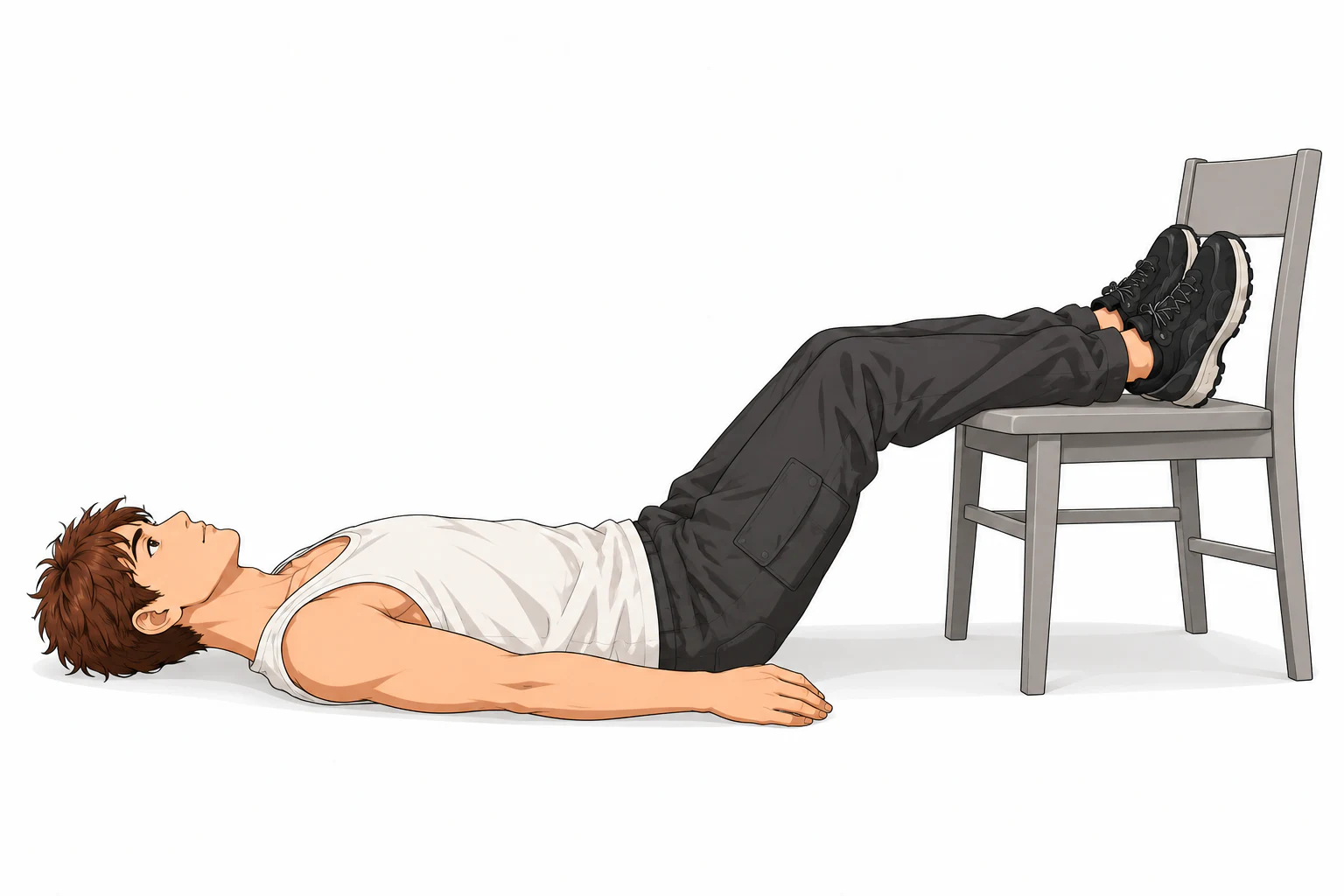
Loosen tight clothing and cover them to keep them warm.
Stay with them and talk calmly. Keep watching their breathing and whether they respond. If they stop responding: recovery position or chest compressions.
Don't
- Don't raise their legs if they fell or were hurt.
Why it happens
In shock, the body no longer gets enough blood and oxygen, for example after heavy bleeding, a severe allergic reaction or losing a lot of fluid. After downers such as alcohol, GHB, opioids or benzos, the danger is breathing: see Unresponsive, breathing.
On the phone and when help arrives
On the phone, describing what you see is enough. We advise against mentioning drugs.
On the phone, say what was taken if you know. In most circumstances they won't tell the police.
When help arrives, tell them what was taken, medicines included, and how much, and hand over anything left. It helps the treatment.
Doctors' confidentiality covers drugs too.
Emergency
- Unresponsive, not breathingOr only gasping or gurgling
- Unresponsive, breathingWon't wake up, but breathes normally
- Opioid overdoseWon't wake, slow breathing, tiny pupils
- SeizureGoes stiff, jerks violently, doesn't respond
- Heat strokeVery hot, and confused or not responding
- Serotonin syndromeVery hot, shaking, twitching, confused
- Bad tripPanic, fear, losing track of where they are
- PsychosisSuspicion, feeling followed, hallucinations